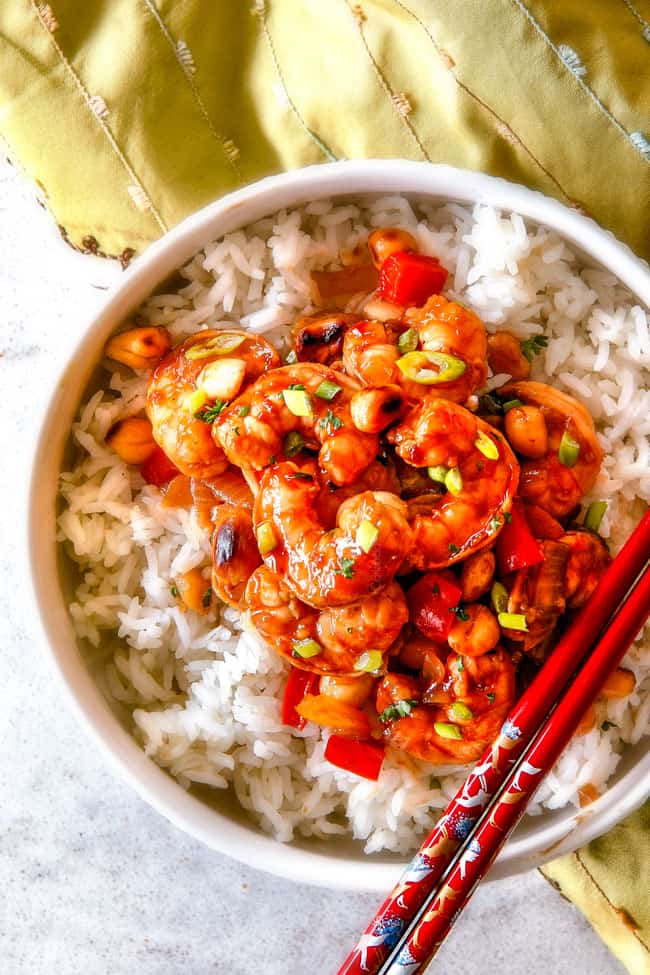
Beyond Shrimp: Customize Your Kung Pao for Chicken or Tofu
The mere mention of "Kung Pao" often conjures images of a vibrant, flavor-packed stir-fry, a true cornerstone of Chinese Sichuan cuisine. While the renowned Kung Pao Chicken holds a legendary status, the equally delightful
Kung Pao Shrimp has carved its own niche, offering a lighter, quicker-cooking alternative that’s just as satisfying. But what if your culinary curiosity extends beyond these popular proteins? The beauty of Kung Pao lies in its incredible versatility. This article delves into how you can easily adapt this beloved recipe, transforming it from a succulent shrimp sensation into a hearty chicken masterpiece or a delightful vegan tofu triumph, all while retaining its signature bold flavors.
The Enduring Appeal of Kung Pao: A Symphony of Flavors
At its heart, Kung Pao is a celebration of contrasting yet harmonious tastes. It's a symphony of sweet, savory, and spicy, often underscored by a unique "mala" (numbing and spicy) sensation derived from Sichuan peppercorns. This distinctive flavor profile, combined with the visual appeal of glistening sauce, vibrant vegetables, and crunchy peanuts, makes Kung Pao an unforgettable dish.
Originating from the Sichuan province of China, known for its rich and aromatic culinary traditions, traditional Kung Pao recipes lean heavily into the fiery side, utilizing generous amounts of dried red chilies and Sichuan peppercorns. However, Westernized versions, while still robust, often moderate the heat, making it more universally appealing without sacrificing depth. Ingredients like crisp bell peppers and sweet onions are frequently introduced, adding another layer of texture and natural sweetness that beautifully complements the primary protein.
Whether you're savoring classic Kung Pao Chicken, indulging in a quick-cooking Kung Pao Shrimp, or exploring a plant-based option, the core elements remain the same: a tantalizing sauce, a medley of fresh ingredients, and the unmistakable crunch of roasted peanuts. These peanuts aren't just for texture; they infuse the dish with an intense, nutty flavor that is crucial to the authentic Kung Pao experience. Remember, fresh peanuts are paramount – stale ones can undeniably diminish the dish's overall quality.
Beyond the Classic: Crafting Your Perfect Kung Pao Experience
The true genius of Kung Pao lies in its adaptability. While
homemade Kung Pao Shrimp is a testament to how quickly a restaurant-quality meal can be prepared, the foundational sauce and cooking method translate beautifully to other proteins, allowing you to tailor the dish to your preference or dietary needs.
The Star Protein: From Plump Shrimp to Hearty Chicken or Vegan Tofu
Let's explore how to make each protein shine in your Kung Pao creation:
*
Kung Pao Shrimp: The Speedy Seafood Sensation
As the main keyword suggests, Kung Pao Shrimp is a fantastic choice when time is of the essence. Shrimp cooks remarkably fast, often in mere minutes, making it ideal for a weeknight meal. Its delicate flavor readily absorbs the bold notes of the Kung Pao sauce, resulting in succulent bites that burst with taste. Marinating the shrimp briefly can enhance tenderness and flavor absorption. The key here is not to overcook the shrimp, ensuring it remains plump and juicy. This version is perfect for those who enjoy seafood and desire a dish that's ready on the table in under 30 minutes.
*
Kung Pao Chicken: The Crowd-Pleasing Classic
For many, Kung Pao Chicken is the quintessential version of this dish. Chicken, particularly boneless, skinless thighs or breasts cut into bite-sized pieces, offers a more substantial and universally loved protein. To ensure your chicken remains tender and flavorful, a quick marinade (often involving soy sauce, rice wine, cornstarch, and sometimes a dash of sesame oil) is highly recommended. This step not only seasons the chicken but also helps create a protective coating that keeps it moist during the high-heat stir-frying process. Chicken's neutral flavor profile makes it an excellent canvas for the rich and complex Kung Pao sauce.
*
Kung Pao Tofu: The Vegan Revelation
For vegetarians and vegans, or simply those looking to incorporate more plant-based meals, Kung Pao Tofu is an absolute revelation. Extra-firm tofu is the best choice here. The most crucial step for crispy, flavorful tofu is pressing out excess water. This can be done with a tofu press or by wrapping the block in paper towels and placing heavy objects on top for at least 30 minutes. After pressing, cut the tofu into cubes and pan-fry, air-fry, or bake them until golden and slightly crispy before adding them to your stir-fry. This crisp exterior allows the tofu to hold its shape and prevents it from becoming mushy, while its porous interior eagerly soaks up every drop of the savory, spicy sauce, delivering an incredibly satisfying textural and flavor experience.
Mastering the Flavor Profile: Spice, Sweetness, and Tang
Regardless of your chosen protein, the Kung Pao sauce is the soul of the dish. Achieving the perfect balance is key:
*
Customizing the Heat: The reference context highlights adapting the spice level. Traditional Kung Pao uses generous amounts of dried red chilies and Sichuan peppercorns for that authentic numbing heat. For a milder take, reduce the quantity of these ingredients or opt for less potent chili varieties. If you love heat, feel free to add fresh chilies like serranos or bird's eye chilies alongside the dried ones for an extra kick. The beauty of homemade is complete control over your desired spice intensity.
*
The Essential Tang: A vital component often overlooked in less authentic versions is Chinkiang vinegar. This jet-black, fermented grain vinegar offers a deep, malty tang that is distinctly different from regular rice vinegar or white vinegar. It adds a crucial layer of sourness that cuts through the richness of the sauce and balances the sweet and spicy elements. While irreplaceable for true authenticity, a good quality balsamic vinegar can serve as a decent substitute in a pinch, though it will impart a slightly different flavor profile.
*
Adding Freshness and Crunch: Incorporating vegetables like colorful bell peppers (red, green, or yellow) and sweet onions not only enhances the visual appeal but also adds a delightful crunch and natural sweetness that complements the robust sauce. These vegetables should be added towards the end of the stir-frying process to maintain their vibrant color and crisp texture.
Essential Tips for Homemade Kung Pao Perfection
Making restaurant-quality Kung Pao at home, whether it’s with shrimp, chicken, or tofu, is surprisingly achievable, especially when you follow a few key principles:
*
Mise en Place is Your Best Friend: The rapid pace of stir-frying means there’s no time to chop ingredients or measure sauces mid-cook. Have *all* your ingredients prepped, chopped, and measured before you even turn on the heat. This includes your protein, vegetables, and the assembled sauce. Once everything is ready, the actual cooking often takes less than 10-15 minutes.
*
Freshness Truly Matters: As mentioned, stale peanuts can significantly detract from the dish. Always use fresh, roasted peanuts for that intense, nutty flavor and satisfying crunch. The same goes for your other ingredients – crisp vegetables and fresh protein will yield the best results.
*
High Heat, Quick Cooking: Stir-frying demands high heat. A wok is ideal for its shape and ability to distribute heat evenly, but a large, heavy-bottomed skillet can work too. Ensure your pan is screaming hot before adding oil and ingredients to achieve that signature stir-fried char and prevent steaming.
*
Don't Overcrowd the Pan: Cooking in batches, especially with the protein, is crucial. Overcrowding the pan lowers the temperature, leading to steaming instead of searing, which means less flavor and a less desirable texture. Give your ingredients room to breathe and cook properly.
*
Embrace Homemade: There's truly no substitute for homemade Kung Pao. Not only is it often more delicious and fresher than takeout, but it also allows you to control the quality of ingredients, the level of spice, and the overall nutritional value. You'll be amazed at how simple it is to prepare a dish that tastes like it came straight from your favorite Chinese restaurant, and you can truly
skip takeout and make easy Kung Pao Shrimp in under 30 minutes, or any other variation.
Serving Suggestions and Storage
Once your customized Kung Pao is ready, the serving possibilities are endless. It's fantastic on its own, but truly shines when paired with simple accompaniments that allow its bold flavors to stand out. Steamed white rice or brown rice are classic choices, absorbing the delicious sauce beautifully. For a heartier meal, consider serving it with egg fried rice or Chinese noodles. A simple side of stir-fried broccoli or other green vegetables offers a refreshing contrast and adds more nutrients to your plate, completing a restaurant-quality meal on a budget.
Should you have any leftovers, Kung Pao stores wonderfully. Simply transfer it to an airtight container and refrigerate for up to 5 days. To reheat, stir-fry it in a hot wok or pan with a tiny bit of oil for a minute or two until heated through. This quick reheat method helps restore some of its original texture and vibrancy, making it almost as good as freshly made.
Conclusion
Kung Pao, in its various forms, offers a culinary journey that’s both exciting and deeply satisfying. From the zesty, quick-cooking Kung Pao Shrimp to the beloved Kung Pao Chicken and the delightfully adaptable Kung Pao Tofu, this dish proves that incredible flavor doesn't have to be complicated. By understanding the core elements and embracing a few simple cooking tips, you can confidently customize your Kung Pao, adjusting spice levels, incorporating your preferred protein, and adding your favorite vegetables. So, roll up your sleeves, gather your ingredients, and prepare to create a personalized, bold, and incredibly delicious Kung Pao experience right in your own kitchen.