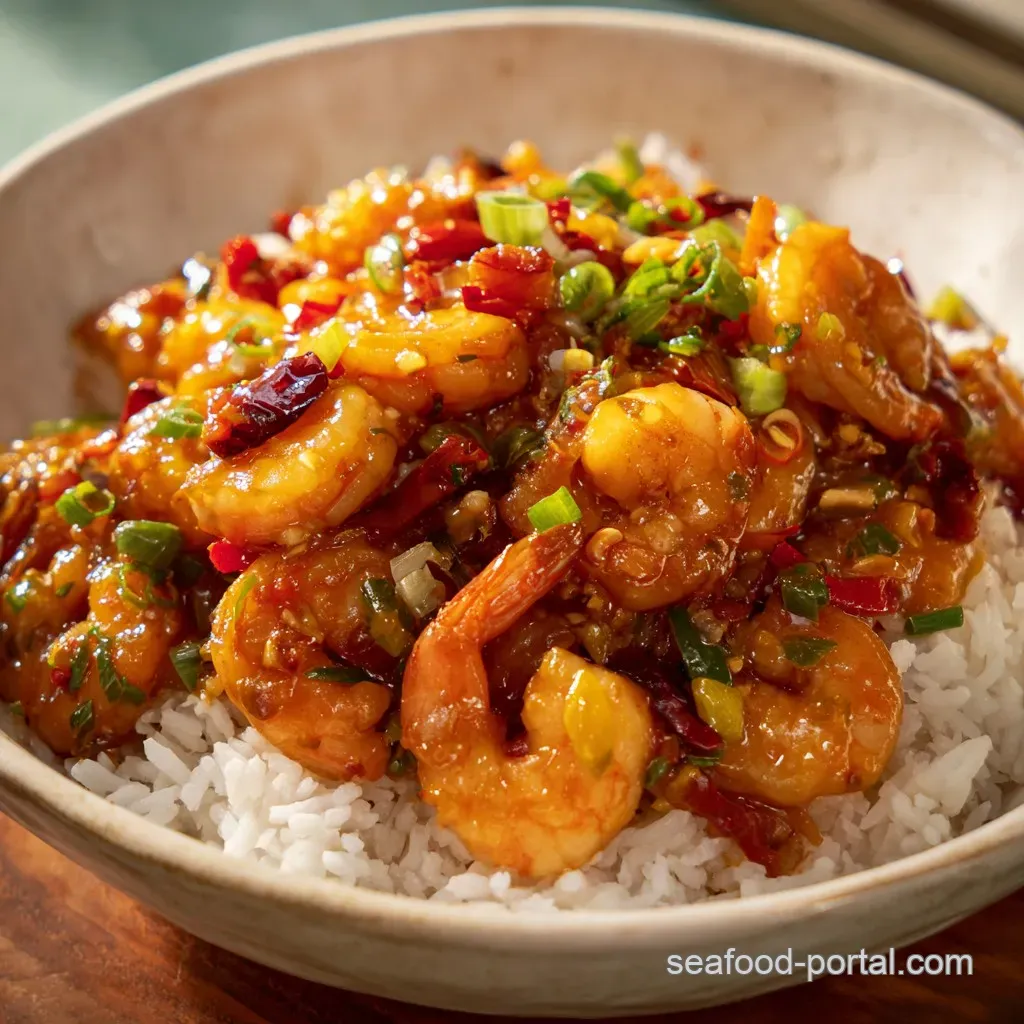
The Bold Flavors of Kung Pao Shrimp: From Sichuan Heat to Your Plate
Few dishes captivate the senses quite like Kung Pao Shrimp. A vibrant symphony of sweet, savory, and spicy notes, this beloved stir-fry has journeyed from its humble origins in China's Sichuan province to become a staple in kitchens and restaurants worldwide. Forget your usual takeout routine; mastering homemade kung pao shrimp is not only surprisingly simple but offers a depth of flavor that is truly unparalleled.
At its heart, Kung Pao Shrimp is a testament to the art of balance. Plump, succulent shrimp are quickly stir-fried with a colorful medley of vegetables and the dish's iconic crunchy peanuts, all enveloped in a glossy, tantalizing sauce. While it's widely recognized as a cornerstone of Westernized Chinese cuisine, its roots delve deep into the rich, aromatic traditions of Sichuan, a region famous for its audacious use of chili peppers and the unique, tongue-tingling sensation known as 'ma la'.
The Culinary Journey of Kung Pao Shrimp: From Sichuan to Your Plate
The story of kung pao shrimp begins in the culinary heartland of Sichuan, China. Traditionally, the dish is known as "Gong Bao" or "Kung Po," named after Ding Baozhen, a late Qing Dynasty official who was fond of the dish.
The Authentic Sichuan Legacy: A Dance of Heat and Numbness
In its most authentic form, Sichuan Kung Pao is an exhilarating experience, distinguished by the generous use of two key ingredients: dried red chilies and Sichuan peppercorns. The dried red chilies deliver a direct, fiery heat, while the Sichuan peppercorns introduce the characteristic "ma la" sensation – a unique blend of citrusy aroma followed by a delightful, tingling numbness on the palate. This distinctive combination creates a complex spiciness that is both bold and addictive, a true hallmark of traditional Sichuan cuisine. While the shrimp version is a popular adaptation, the chicken variant is perhaps more historically recognized, but both share this incredible flavor profile.
The Westernized Evolution: A Softer, Yet Still Sizzling, Spin
As Kung Pao journeyed across continents, it naturally evolved to suit diverse palates. The version most commonly enjoyed in Western countries, including the delicious kung pao shrimp, often features a slightly milder spice level, achieved by using a moderate amount of chilies and peppercorns. Many modern recipes also incorporate fresh vegetables like bell peppers and onions, adding vibrant color, additional texture, and a touch of sweetness that makes the dish even more irresistible and approachable.
Unpacking the Signature Flavors of Kung Pao Shrimp
What truly sets kung pao shrimp apart is its complex interplay of tastes and textures. It's a dish designed to engage every part of your palate.
The Dynamic Sauce: Sweet, Savory, Spicy, and Tangy
The heart of any great Kung Pao lies in its sauce. This glossy, dark elixir is a masterful blend of sweet, savory, spicy, and sour elements. Soy sauce contributes the savory depth, sugar provides a touch of sweetness, and chili peppers bring the heat. However, the secret weapon for an authentic tang and depth often comes from Chinkiang vinegar. This jet-black, traditionally fermented grain vinegar from China offers a deep, malty tang that is incomparable. It's truly key to achieving that signature salty, sour, and sweet swirl of flavor. While balsamic vinegar can sometimes be a distant substitute, nothing quite matches the unique profile of Chinkiang. This versatile vinegar is also fantastic for dipping dumplings, dressing noodles, or drizzling over vegetables.
Crunch and Aroma: The Indispensable Peanuts
Beyond the sauce, peanuts are a non-negotiable component of any Kung Pao dish. They add an intense, nutty flavor and a crucial textural contrast, providing a satisfying crunch that makes each mouthful a little spicy, chewy, savory, and crisp. They also lend a visually distinct element, immediately identifying the dish as Kung Pao. For the best results, always ensure your peanuts are fresh and ideally, lightly toasted, as stale peanuts can unfortunately detract from the entire experience.
The Heat Factor: Tailoring Your Spice Adventure
Whether you prefer a gentle warmth or a fiery kick, the spice level of your kung pao shrimp is entirely customizable. Traditional recipes call for a significant portion of both dried chilies and Sichuan peppercorns for that intense, numbing heat. However, home cooks can easily moderate these ingredients. If you're new to Sichuan flavors, start with fewer chilies and a smaller amount of Sichuan peppercorns, gradually increasing to find your perfect balance. Some recipes even incorporate fresh chili peppers for an added dimension of heat and freshness.
Why Homemade Kung Pao Shrimp Reigns Supreme
While ordering takeout might seem convenient, preparing kung pao shrimp at home offers a multitude of advantages that elevate it to a truly exceptional meal.
Speed and Simplicity: A Weeknight Wonder
One of the most compelling reasons to make this dish yourself is its incredible speed. Once your ingredients are prepped – a process known as "mise en place" – the actual stir-frying takes mere minutes. Many recipes promise a delicious shrimp kung pao ready on the table in just under 30 minutes, with some even claiming as little as 20 minutes from start to finish. This makes it an ideal choice for a quick, yet satisfying, weeknight dinner that rivals any restaurant quality meal, often on a budget.
Customization at Your Fingertips: Craft Your Perfect Dish
Homemade kung pao shrimp gives you complete control over every element. You can adjust the spice level to your exact preference, add your favorite vegetables like snap peas, carrots, or water chestnuts, and even experiment with different proteins. Don't want shrimp? No problem! This versatile sauce and cooking method works beautifully with other ingredients. For ideas on how to adapt your recipe, check out our guide on Beyond Shrimp: Customize Your Kung Pao for Chicken or Tofu.
Health and Quality Control: Fresher is Always Better
When you cook at home, you know exactly what goes into your meal. You can choose the freshest, plumpest shrimp, high-quality vegetables, and control the amount of oil and sodium. This not only results in a healthier dish but also one bursting with superior, vibrant flavors that often surpass those of mass-produced takeout options. There's an undeniable satisfaction in knowing you've created such a flavorful meal from scratch.
Mastering Your Homemade Kung Pao Shrimp Experience
Ready to embark on your kung pao shrimp adventure? Here are some practical tips to ensure a spectacular outcome.
Essential Ingredients for Success: Your Kung Pao Pantry
- Shrimp: Opt for fresh, plump shrimp. If using frozen, ensure they are fully thawed and patted dry to prevent a watery stir-fry.
- Peanuts: Always use fresh, unsalted, roasted peanuts. If you only have raw, a quick toast in a dry pan will bring out their best flavor and crunch.
- Sichuan Peppercorns: Seek out whole Sichuan peppercorns for the most authentic "ma la." Toast them lightly before grinding or adding whole to the oil for maximum aroma.
- Dried Red Chilies: Adjust the quantity based on your desired heat level. For a milder flavor, you can remove some of the seeds.
- Chinkiang Vinegar: A non-negotiable for authentic flavor. Look for it in Asian grocery stores.
- Aromatics: Fresh ginger and garlic are crucial for building a flavorful base.
- Vegetables: Bell peppers (red, green, or yellow) and onions are common additions, adding color and sweetness.
- Sauce Components: Soy sauce (light and dark), sugar, cornstarch (for thickening), and a touch of sesame oil for aroma.
Serving Suggestions: Completing Your Meal
Kung pao shrimp is incredibly versatile and pairs wonderfully with a variety of accompaniments. It's often enjoyed on its own, but to make it a complete and satisfying meal, consider serving it with:
- Steamed Rice: Classic white or brown rice is perfect for soaking up the delicious sauce.
- Egg Fried Rice: For an extra layer of flavor and texture, pair it with our easy egg fried rice recipe.
- Noodles: Chinese noodles, such as lo mein or ramen noodles, tossed lightly with a touch of soy sauce, make an excellent side.
- Stir-fried Broccoli: A simple side of stir-fried greens adds freshness and nutrients to your restaurant-quality meal.
Smart Storage and Reheating: Enjoying Leftovers
Should you have any delectable leftovers, kung pao shrimp stores well. Simply transfer it to an airtight container and refrigerate for up to 5 days. To reheat, stir-fry it in a hot wok or pan with a tiny bit of oil for a minute or two, just until warmed through. This method helps maintain the texture of the shrimp and ensures the flavors remain vibrant.
Conclusion
From the fiery kitchens of Sichuan to the comfort of your own home, kung pao shrimp offers an unforgettable culinary adventure. Its bold, balanced flavors, combined with its impressive speed and ease of preparation, make it a perfect dish for any occasion. By understanding its key ingredients and the simple techniques involved, you can easily create a restaurant-quality meal that's not only incredibly delicious but also tailored precisely to your taste. So, gather your ingredients, fire up your wok, and prepare to delight in the vibrant, irresistible world of homemade Kung Pao Shrimp.
